
Are There Traveling Orderly Jobs?
Are there traveling orderly jobs?
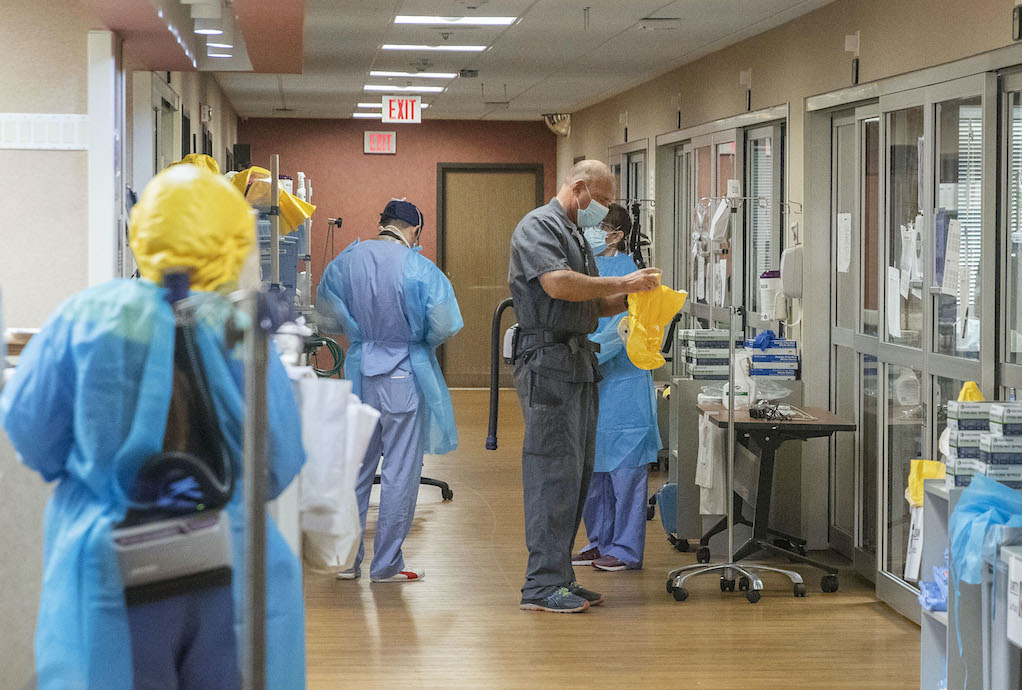
Orderlies help patients with their daily living routines, such as eating and personal hygiene. Their reassurance and companionship make a big difference for patients.
They can also monitor a patient’s condition, such as their blood pressure and heart rate, and ensure that they are getting the care that they need. They may also transport them to the operating room, x-ray department or dining area.
Assisting Patients
Orderlies may assist patients in a variety of ways. One of the most common duties is monitoring a patient’s vital signs, which can help doctors diagnose and treat their health problems. This involves taking note of a patient’s temperature, heart rate and respiration rates.
Another way orderlies make a difference is by helping patients do their daily routines such as eating, grooming and exercising. These simple activities can be difficult or even impossible for some people who are ill. Assisting them with these activities can improve their quality of life while also improving the care they receive.
A well-trained orderly knows that the most efficient way to help a patient is by doing the job correctly the first time. This can save the patient and the hospital time and money.
The best part of this type of job is the camaraderie between orderlies and nurses. They often discuss a patient’s progress or challenges with other employees so they can help each other out in their areas of expertise.
Whether in a hospital, nursing home or assisted living facility, orderlies work around the clock to keep their patients safe and healthy. This can involve helping them avoid falls and accidents that could cause further damage.
In addition to this more physical role, orderlies also perform more clerical tasks such as keeping patients’ rooms clean and in order. They mop, disinfect and change soiled linens to maintain the cleanliness and safety of a facility’s most vulnerable inhabitants.
There are many types of orderly jobs available, but some of the most common include patient care assistants, medical lab technicians and maintenance personnel. All of these professionals are responsible for assisting patients in their everyday lives while helping their health care providers achieve a high level of success.
Monitoring Patients
There are a lot of things that an orderly can do to assist patients, but one of the most important things is to monitor their health. They can keep track of the patient’s vitals and check their medications. This allows them to keep a closer eye on their condition, which can help reduce the risk of infection for both patients and healthcare professionals.
Another thing that an orderly does is to help patients move around the facility. This can be in the form of taking them by gurney or wheelchair to different areas of the hospital, such as the x-ray department or dining room.
They also clean patients’ rooms, which can help reduce the likelihood of spreading diseases or viruses. This can be done by mopping, disinfecting and changing soiled linens.
Some of the most important duties that an orderly can do are to monitor a patient’s temperature, blood pressure and heart rate. They can also help their patients make food choices, engage in their favorite hobbies and spend time with friends and family.
As a result, they help their patients feel more comfortable while they’re in the hospital. This can be especially helpful for elderly patients who don’t want to feel alone in their hospital bed or for those who suffer from certain health conditions that prevent them from moving around as they normally would.
The majority of orderlies work full-time, but some are only available for evenings or holidays. Because of this, they can be expected to work long hours if their job requires them to monitor several patients.
Besides these duties, orderlies also help patients get to and from the doctor’s office for appointments. This is a great way to make sure that they can see their doctors on a regular basis and get the care they need.
With the recent COVID-19 pandemic, the healthcare industry is dealing with a shortage of professionals and a growing number of patients. Remote patient monitoring can help alleviate these problems by reducing the amount of in-person visits that physicians have to schedule. It can also help keep emergency rooms and waiting rooms from getting too crowded. In addition to these benefits, RPM can also save money and improve patient satisfaction.
Transporting Patients
When patients are in serious condition, they often need to be transported to a hospital in another area. This is called long-distance medical transport, and it is a vital part of health care.
This type of work requires a high level of skill and compassion. Patient transporters must be able to put their patients at ease while providing them with comfort and safety during the transfer process.
They also must ensure that all of their patients are in good physical condition and have no injuries or conditions that could interfere with their ability to safely and efficiently perform this job. They often push patients on stretchers or in wheelchairs down hallways, around corners and through tight spaces to get them to their destinations in a timely manner.
These workers often work alone, but they must communicate with nursing staff and other hospital employees in order to coordinate their patient’s transfer. This requires excellent communication skills, including the ability to convey detailed information to others who may need it.
Some hospitals require their transporters to have CPR certification and other related training. These qualifications help them ensure the safety of their patients, as well as themselves and other people who they encounter along the way.
Other transportation services are available to assist patients who need to travel long distances for specialized treatment, or to get them home after a hospital stay. These services are often offered by private companies and can include helicopter or rotor wing ambulances.
A growing industry of transplant tourism is a major reason for this increase in long-distance medical transportation. These patients are often too sick or injured to travel commercially, and they need a transplant at an urgent or critical time.
The patient’s family can then use the transport service to have the patient transported to an appropriate location for their treatment. This can be a huge relief for patients and their families, as it allows them to have better access to the best medical care available.
Getting the proper medical attention is important, but so is being able to return home afterward. This is especially true for patients who have been rushed to the hospital and need to be discharged quickly in order to avoid further complications. For this reason, many health insurance plans cover emergency medical transportation benefits.
Cleaning Patients’ Rooms
The best way to keep your patients safe and happy is to create a sanitary environment that reduces the risk of healthcare-associated infections. In order to do this, you’ll need the right cleaning products and procedures to get the job done. The best way to do that is to have a well-trained cleaning staff that understands your facility’s specific needs.
The most important element of patient room cleaning is a thorough vacuuming and dust mopping. This will not only help eliminate the dreaded dust bunny but also removes germ laden droplets that are often the cause of ill-health among your patients. The best way to do this is by using a commercial vacuum with a high-efficiency particulate air (HEPA) filter that captures the good stuff without sending it flying about your facility.
For the best possible clean, it’s a good idea to stick to one cleaning plan at a time. This ensures that no two rooms are receiving the same treatment. This will reduce reworks and the chance of cross-contamination. Keeping your occupied patient room tidy is the single most important component of providing the best possible care for your patients and staff.