
Are There Traveling Radiology Tech Jobs?
Are there traveling radiology tech jobs that match your lifestyle? Radiology travel professionals control their work schedule and take advantage of tax-free per diems to help cover daily living expenses.
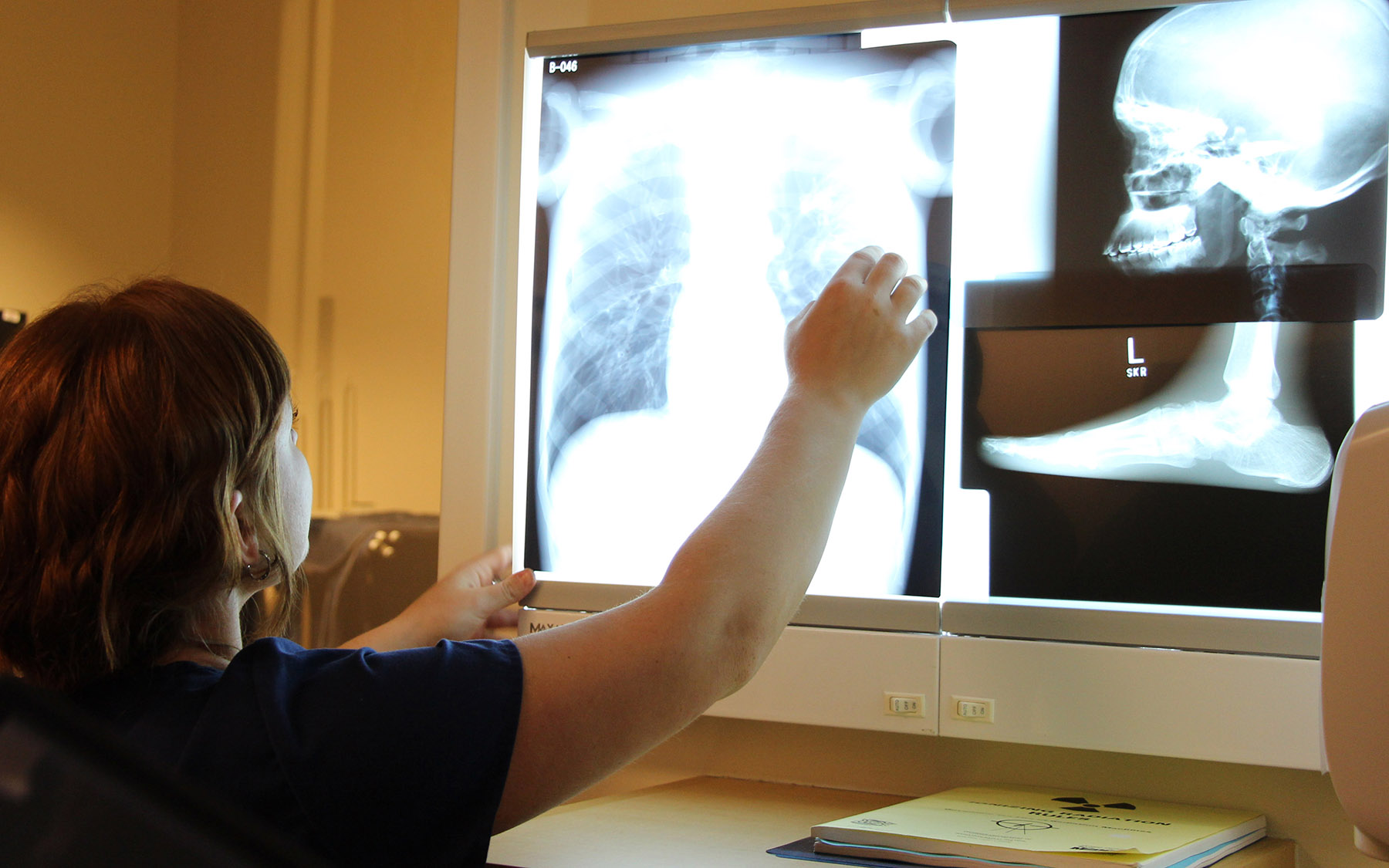
As a rad tech, you’ll be responsible for providing X-ray imaging services to aid in patient treatment and diagnosis. It’s an important and rewarding job.
Benefits
If you’ve always wanted to hike the Alaskan wilderness, take in a sunny Florida beach or relax in a lush Oregon forest, it’s time for you to pursue your dreams as a travel radiology tech! A career as a rad tech gives you the opportunity to see uncharted lands, work with a variety of colleagues, patients and equipment and enjoy some seriously good pay.
Working as a rad tech involves operating highly technical machinery to produce key imagery that ultimately reveals crucial diagnostic information and helps inform the patient’s further care plan. This critical role requires compassion, kindness, great communication skills and a strong understanding of math and physics.
Typically, rad techs specialize in one or more areas or specialties, such as cardiac cath lab, CT (computed tomography), echocardiography, IR (interventional radiology), mammography, MRI (magnetic resonance imaging), nuclear medicine, or radiation therapy. In addition, rad techs also often manage and direct other rad techs.
The rad tech job can be very demanding, so a high level of experience and qualifications is necessary to land an assignment as a travel rad tech. This is why facilities typically require at least two years of in-facility rad tech experience to hire you as a travel rad tech.
When you’re working as a travel rad tech, you’ll be employed by a healthcare staffing agency that will match your job qualifications to facilities that have a need for rad techs in certain locations. They might be in need of a rad tech for a certain season or to fill a gap after a staff member goes on extended leave.
You’ll get to travel to different hospitals and imaging centers, which can be both exciting and challenging at times. You’ll also be able to see a lot of new equipment and technology, which is often a fun part of the job!
Traveling radiology technologists are often paid more than their permanent counterparts because they’re placed in areas that have high demand. Some radiographers are even eligible for contract completion bonuses and referral bonuses that can significantly boost their earnings. They’re also likely to receive either free or tax-free housing and a food stipend, which can help them cover their living expenses on the road.
Requirements
Are there traveling radiology tech jobs?
Radiology technicians are essential to a healthcare team, helping physicians diagnose and treat patients. They take X-rays, ultrasounds and MRIs to help physicians get an accurate picture of a patient’s health.
They also provide information to patients and their physicians about their health, helping them make decisions that will improve their health. Rad techs can be found in hospitals, imaging centers and physician’s offices throughout the country.
The demand for rad techs is expected to increase, according to the Bureau of Labor Statistics. This is due to the fact that more people are getting medical treatment, and those treatments require a lot of radiology technology.
As a radiology technician, you’ll be responsible for preparing patients and equipment for MRIs, CT scans and X-rays. You’ll also be working under the supervision of a radiologist to perform these tests and to help patients feel comfortable during the process.
To be a good rad tech, you need to be trained and licensed in the medical field of radiology. You can find training at a variety of locations, and many schools offer radiology tech programs.
Once you have the necessary qualifications, you can start applying for traveling radiology tech jobs. This will allow you to travel across the country and experience new places as you work.
Some of these positions are short-term, while others are long-term. No matter what the length of your contract, you’ll be able to enjoy flexible scheduling, paid housing and benefits.
Another advantage of this type of career is that it can lead to other opportunities in the healthcare field, such as nuclear medicine technician jobs and mammography tech jobs. With the right degree, you can become an MRI technologist and do more advanced imaging procedures.
A rad tech can also pursue several different types of certifications to gain additional experience in the field. Some of these are required by state law, and other are based on your personal interests.
Some of these certifications include a certified MRI technologist, which is an advanced qualification that requires extensive experience in the field and training. Other certifications are required by the employer to ensure you’re qualified to do your job.
Flexibility
Traveling radiology techs get to experience new adventures and explore their passions while earning great money. Plus, they get paid weekly, tax-free per diem to help them pay for their travel expenses like transportation and meals.
The Bureau of Labor Statistics expects 7% growth in radiology and MRI technology jobs through 2029, which is much faster than the average job growth rate for the United States. This means that hospitals and clinics are in need of qualified rad techs more frequently.
Radiology techs work in a variety of specialties, including X-ray and MRI, which use advanced imaging techniques to detect and diagnose health issues. They perform various duties such as preparing patients and equipment, monitoring their comfort and safety, generating diagnostic images and reporting information to physicians.
A rad tech’s duties vary from facility to facility, but they all involve working with a variety of imaging equipment. They typically have to upgrade their qualifications and certifications on a regular basis.
Flexibility is the ability to move joints through their complete range of motion. It is often defined as “the ability to bend and extend without pain” (Gummerson, 2007).
Bone structure, muscle mass, excess fatty tissue and connective tissues can all place limits on flexibility. This is especially true for older adults, who tend to have less healthy joints than younger people.
Performing stretching exercises regularly can also help to increase flexibility. Most stretching exercises attempt to reduce the internal resistance offered by soft connective tissues, which are the primary source of stiffness and tightness in the body.
Although it is a good idea to work on your flexibility, there is no magic formula. It takes patience, focus and strength to achieve the goals you have set for yourself.
As a rad tech, you may not always have access to the latest and greatest imaging equipment, so being flexible is key for success in this field. It helps you be confident and competent in your work. Likewise, it allows you to be prepared for unexpected assignments and changes in your schedule.
Opportunities
If you have always wanted to see new places, cross off adventures from your bucket list, and earn great money, a career as a traveling radiology technologist may be the right choice for you. Radiology technologists provide X-rays and other imaging services in hospitals, clinics, and other healthcare facilities to help physicians diagnose medical issues in patients of all ages.
Typical rad tech duties include preparing radiograph equipment, positioning patients, and capturing diagnostic images to diagnose and treat health conditions. Many rad techs also have to be physically strong and agile to work safely with patients who are often in pain or disabled.
Traveling radiology tech jobs can be found in a variety of locations across the country, including large urban hospitals, small suburban clinics, and even tiny country healthcare offices. Regardless of location, each rad tech job will have similar demands.
Most rad tech positions require a radiologic technology degree, and some facilities also require a state-issued radiographer license. Other qualifications that can make you more competitive for rad tech travel jobs include a minimum of two years of in-facility experience and certifications in your specialty or discipline.
You can find rad tech jobs in a variety of locations around the country, including Alaska, California, Hawaii, Massachusetts, Washington D.C., and North Dakota. These states reflect a growing demand for rad techs and have high average salaries.
Typically, facilities hire traveling radiology techs when they have staff shortages or when a member of the permanent team is on leave. For example, a hospital in a ski resort town might need to fill in for the winter when census increases. Other times, a valuable member of the team might go on vacation or take time off for family matters.
There are numerous benefits to traveling as a radiologic technologist, including a higher pay rate than in permanent positions, a free or tax-free housing stipend, and the opportunity to work in a new location every few months. Some travel agencies also offer contract completion bonuses, referral bonuses, and other incentives that can further increase your total earnings.