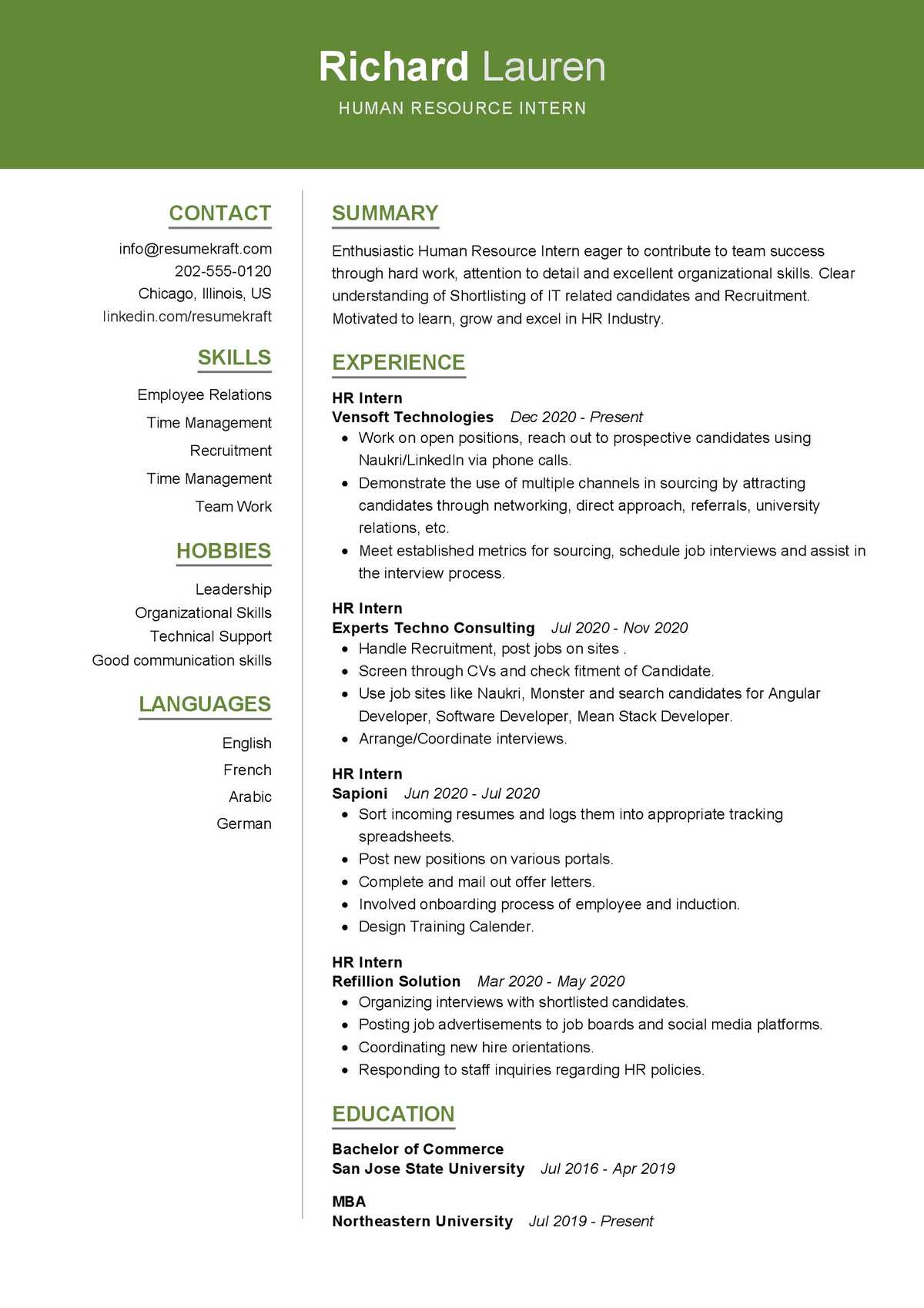

Where to Add Internship on Resume
If you’re looking for a new job, your internship experience could be just what you need to land the position. However, it’s important to know where to add this section on your resume so that it has the best impact.
The section is most commonly found near the top of your resume, or in a separate area dedicated to internships. Here, you’ll list your experience and skills gained from each internship.
Internships and Work Experience
Internships are a great way to gain hands-on experience in your chosen career field. They also help you build networking contacts and make a positive impression on hiring managers.
However, internships can take up a lot of space on your resume. Consequently, it is important to know how to add them to your resume in the best way possible.
You should add your internship experience in the same section as your work experience. This is because they should be listed as you would any other full-time job you’ve held, with the same formatting and responsibilities.
When adding your internship experience, be sure to list the name of the company or organization where you interned, how long it lasted, and any other relevant information. Additionally, you should list the responsibilities and accomplishments you accomplished during that internship.
This will show recruiters that you took the opportunity to learn as much as you could from your internship, and are interested in developing your skills and knowledge in your field. You should also note any measurable feedback that you received from your internship, such as performance ratings or sales numbers.
Your internship experience should be accompanied by a short resume objective that describes your career goals and why you are looking for a new job. Including this information will help you stand out from other applicants and increase your chances of landing that job interview.
College students and recent graduates: You should add your internship experience at the top of your work experience section if you don’t have any other relevant jobs to list. Place it above your education and previous job titles, if you have them, to highlight its importance.
Alternatively, you can place your internship experience in a separate section. This can be done before or after your traditional work experience if it is important for the position you are applying to.
You should only include your internships if they are relevant to the position you are applying for. If you are just starting out in your career and don’t have any previous work experience, or if you’re changing careers, you may not need to list your internships.
Internships and Relevant Experience
Internships are a great way to gain experience in a specific field or industry, and can be very useful for students as well as career changers. They can also provide valuable networking opportunities that you might not otherwise have.
A good internship experience can help you stand out from other candidates and show employers that you have what it takes to succeed in the position. They may also give you an opportunity to work with a supervisor, which can be helpful for future professional development.
However, you should only add an internship to your resume if it has some relevance to the job you are applying for. If you do not have any relevant internships, it is best to leave your work history section blank and focus mainly on your education.
Depending on your resume format, you can put your internships under your work experience section or create an internship section that is separate from your work experience. List the name of the company, your job title and start and end dates for each internship.
You can also put your internship accomplishments in a bullet point underneath the internship. This makes it easier for hiring managers to spot them when they are reviewing your resume.
Employers look for interns who can take responsibility for a task, demonstrate initiative and support their supervisors with responsibilities. It can be hard to juggle these roles as a college student, but you can make an effort to solicit feedback from your supervisor during your internship.
This can be a valuable experience for you, as it shows that you can work effectively under pressure and that you have the ability to ask questions when necessary. It can also help you learn more about a company’s operations and culture.
If you have many internships, it can be tempting to fill your resume with all of them. However, it is not the best practice to do so. You should only include a few key accomplishments per internship and use this space to showcase your skills and achievements in the most impactful way possible.
Internships and Relevant Skills
When you’re applying to a new job, employers look for resumes that showcase relevant work experience. This includes internships and other experience, such as volunteer or school projects. Internships are a great way for recent college graduates to build up professional experience and get their foot in the door in their field.
To add internships on your resume, highlight the skills and responsibilities you gained from the experience. This can be done under your “Work Experience” section if it was more related to the position you’re applying for, or by adding a separate internship section to your resume if it was more general.
For example, if you worked at an art museum as an intern for several years, you may want to include specific accomplishments such as creating lesson plans and activities for free community events; completing surveys to assess customer satisfaction in an exhibit or studio space; and developing reports on visitor satisfaction after implementing feedback.
Another important skill you can list is the ability to communicate with others. This is a crucial skill for most industries, but especially for internships where you are working with supervisors, managers, and other employees. You need to be able to listen to instructions, follow them, and communicate effectively with coworkers.
If you’re a student, make sure to ask your supervisors and the career center for tips on where to find internship opportunities. These can be paid or unpaid, and often are available through your school’s internship program.
You can also talk to friends and family members who have had similar experiences. Many people start off their careers with internships to gain valuable experience and meet potential mentors in the industry.
When writing a resume, it’s always helpful to take the time to research and understand the job you’re applying for. This will help you create a resume that’s tailored to the job and will have a better chance of passing the ATS or interview.
Internships are a great opportunity to pick up important hard skills, such as research, software, and tools. These can be very useful for your career, especially if you’re a marketing or business person.
Internships and Relevant Accomplishments
Internships are a great way to gain experience in your chosen field. They are often paid and can lead to full-time jobs. In fact, students who complete an internship are more likely to receive offers than those who do not (NACE, 2019 Study).
Aside from the obvious academic benefits of interning, they can also help you determine if a certain career is right for you. This is because an internship can test out a career path or allow you to try it before you commit to it for the long haul.
Depending on your major, you may have several options in regard to what careers you can pursue after college. This is especially true for those who pursue more specialized fields.
If you have a variety of internships that are relevant to your desired career, it can be beneficial to list them all together on your resume. This will show employers that you have a wide range of experiences in a given field and can be a valuable asset to any company.
When it comes to deciding which internships to list, consider what responsibilities you performed and what achievements you made as an intern. These are the things that can make you stand out among the competition.
Hiring managers love to hear about the ways in which an applicant can benefit their company. For example, you might be able to mention that you developed a new volunteer schedule that reduced missed shifts by 11%.
You can also include a few analytical hobbies on your resume to give your resume that added edge over the competition. These can include things like running 10K races, playing sudoku, or dominating at Monopoly. These can all demonstrate a strong sense of self-motivation, which many internships seek.
In addition to these types of responsibilities, you should also be sure to include any skills and talents you gained during your internship. If you are unsure of what skills and accomplishments you can include, talk with your internship supervisor. This will help you identify which responsibilities you can include on your resume and which ones are more appropriate for a particular job position.